South Korea is a country where ancient traditions and cutting-edge modernity exist side by side, combining historic palaces, mountain landscapes and centuries-old cultural traditions with futuristic cities, world-leading technology and vibrant popular culture. From the dynamic streets of Seoul to the volcanic landscapes of Jeju Island, South Korea offers an extraordinary variety of experiences across its regions.
Community Tips For South Korea
South Korea has an excellent public transport network, with high-speed trains and efficient metro systems making it easy to travel between major cities.
Korean cities are generally very walkable, but comfortable footwear is recommended as exploring neighbourhoods and markets can involve considerable walking.
South Korea experiences four distinct seasons, with hot, humid summers and cold winters, so plan clothing according to the time of year.
Korean food is an essential part of the travel experience, so look beyond internationally known dishes such as Korean barbecue and try regional specialities wherever you visit.
Explore South Korea
Seoul
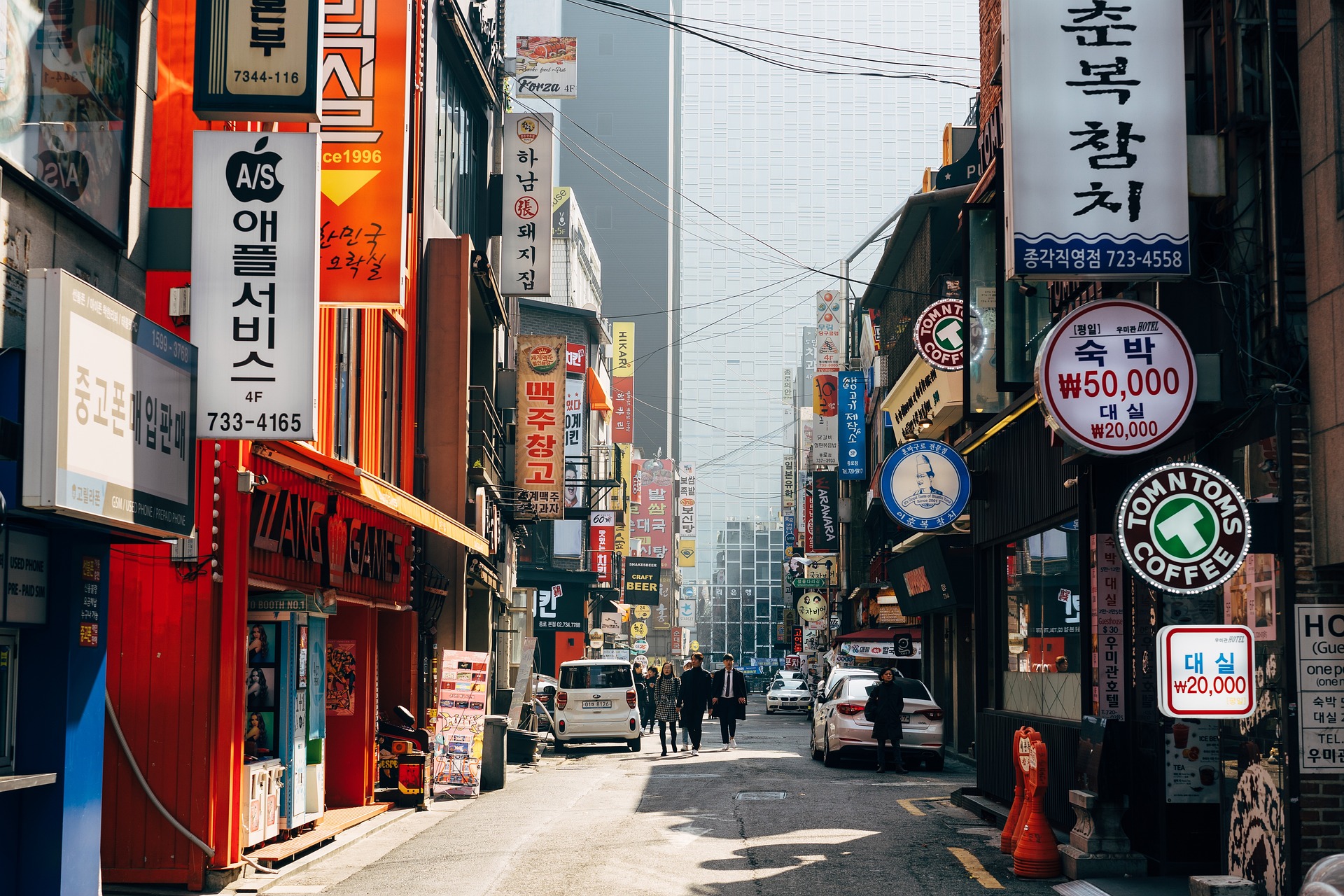
Seoul is a vast and energetic capital where ancient palaces and traditional neighbourhoods sit alongside futuristic skyscrapers and cutting-edge technology.
The city’s extensive subway network is one of the easiest ways to explore its enormous collection of neighbourhoods and attractions.
Gyeongbokgung Palace and Bukchon Hanok Village provide a glimpse into Seoul’s historic character.
Neighbourhoods such as Hongdae, Myeongdong and Gangnam showcase the city’s modern shopping, food and entertainment culture.
Busan
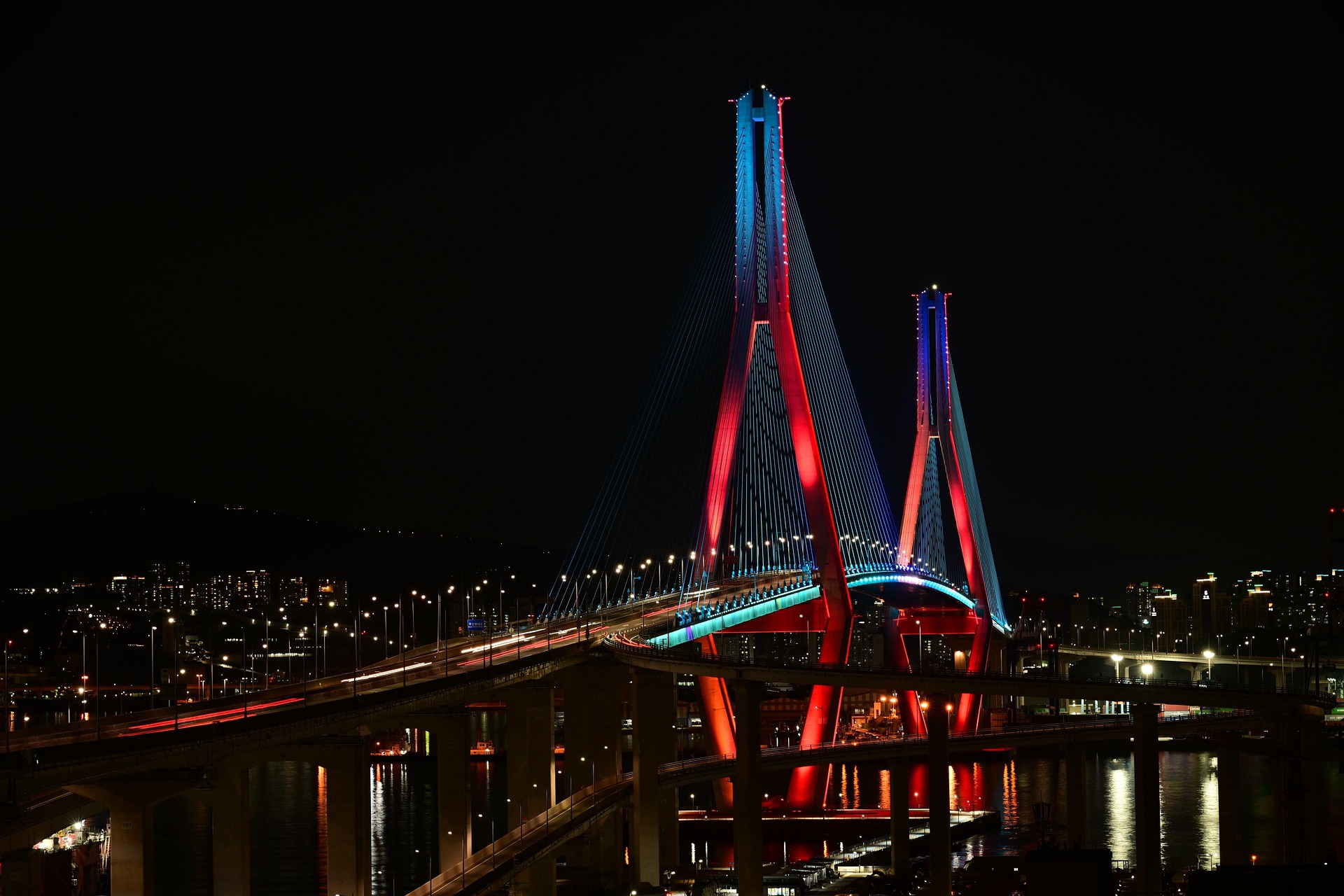
Busan is South Korea’s second-largest city and is renowned for its beaches, mountains, seafood and spectacular coastal scenery.
Haeundae Beach is one of the country’s most popular seaside destinations, particularly during the summer.
Gamcheon Culture Village is famous for its colourful hillside houses and panoramic views across the city.
The Jagalchi Fish Market offers an excellent introduction to Busan’s strong maritime culture and renowned seafood.
Gyeongju
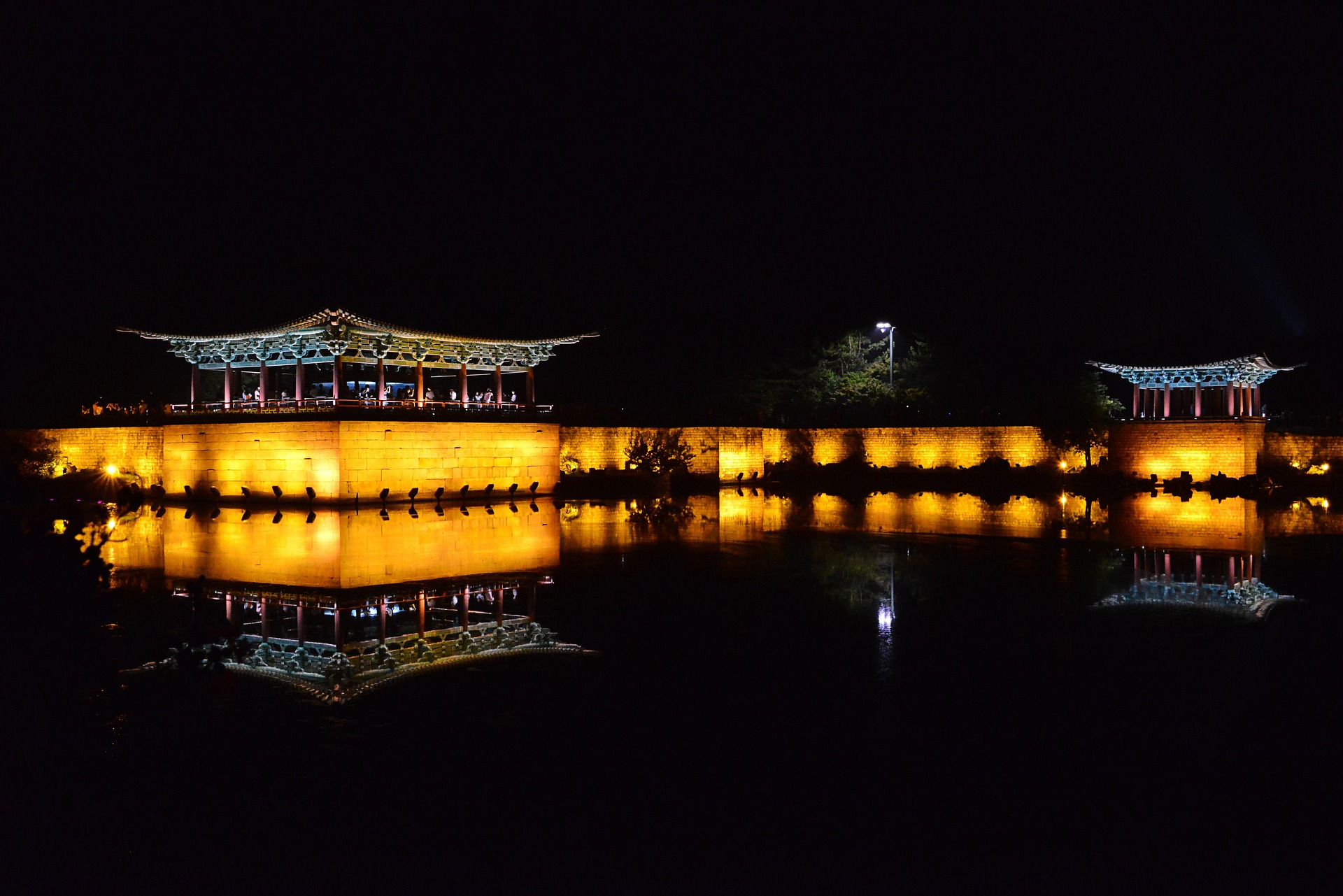
Gyeongju was the capital of the ancient Silla Kingdom and is often described as a living museum of Korean history.
The city is home to ancient temples, royal tombs and archaeological sites, including Bulguksa Temple and the Seokguram Grotto.
Gyeongju’s historic areas are best explored at a relaxed pace, with bicycles providing a popular way to travel between attractions.
The city’s extensive historical heritage provides a fascinating contrast to the modernity of Seoul and Busan.
Jeju City
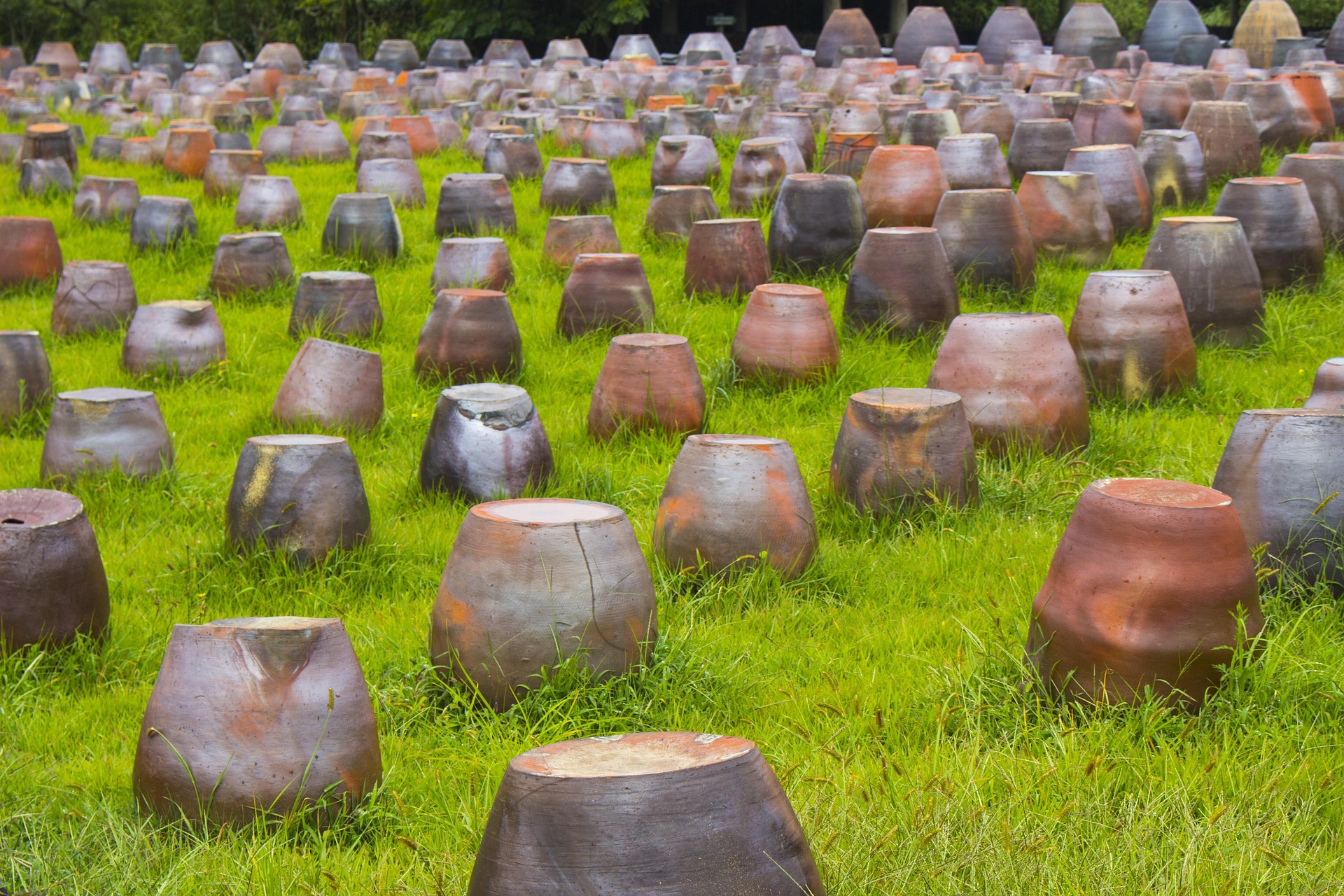
Jeju City is the main gateway to Jeju Island, renowned for its volcanic landscapes, dramatic coastlines and distinctive local culture.
Hallasan, South Korea’s highest mountain, dominates the centre of the island and provides spectacular hiking opportunities.
The island’s volcanic caves, waterfalls and coastal trails showcase a dramatically different side of South Korea.
Jeju’s unique cuisine, including its famous black pork and fresh seafood, makes the island a particularly rewarding destination for food lovers.